
“Naka hain na ang pagkain sa hapag kainan”. Most of us eighties kids would attest that these words were enough to get us running into the dining room from playing games on the street. "Hapag Kainan" was the Tagalog word for "dining table," which was probably the most significant fixture in a Filipino household. It was the place where family members came together to talk about the day's events while enjoying a delicious homecooked meal.
Where to Eat in Cabanatuan | Dine the Novo Ecijano way in the Rustic Hapag Vicentico's

I never had a big family. Usually, it was just my brother and mom because my father worked late. Despite being incomplete most of the time, I had fond memories of those meal times together. Much so when we would visit my grandmother’s home in Bulacan where a long hapag kainan always was surrounded by myself and my cousins—enjoying my Auntie Carol’s delightful cooking.

Those were the good old memories that crossed my mind each time I heard the words Hapag Kainan. When one uttered those words, they better be describing a dinner table from our childhood memories and not the smaller Ikea-inspired dining tables we’d gotten used to when we started living independently. When I learned that we were headed to a place called Hapag Vicentico’s in Cabanatuan for dinner, I instantly expected a throwback vibe.
A Once Abandoned House
Upon entering Hapag Vicentico’s, I was immediately drawn to its homey ambiance. Rustic and oozing with heritage feels. Even though it was way bigger than my late grandmother’s house in Bulacan, it still created a connection to my growing-up years when we came to visit and dine together with cousins and other relatives.

Hapag Vicentico's gave off a certain vibe that lent itself to a place where friends and families could enjoy a fine meal—and because of the dishes they served—the Novo Ecijano way.
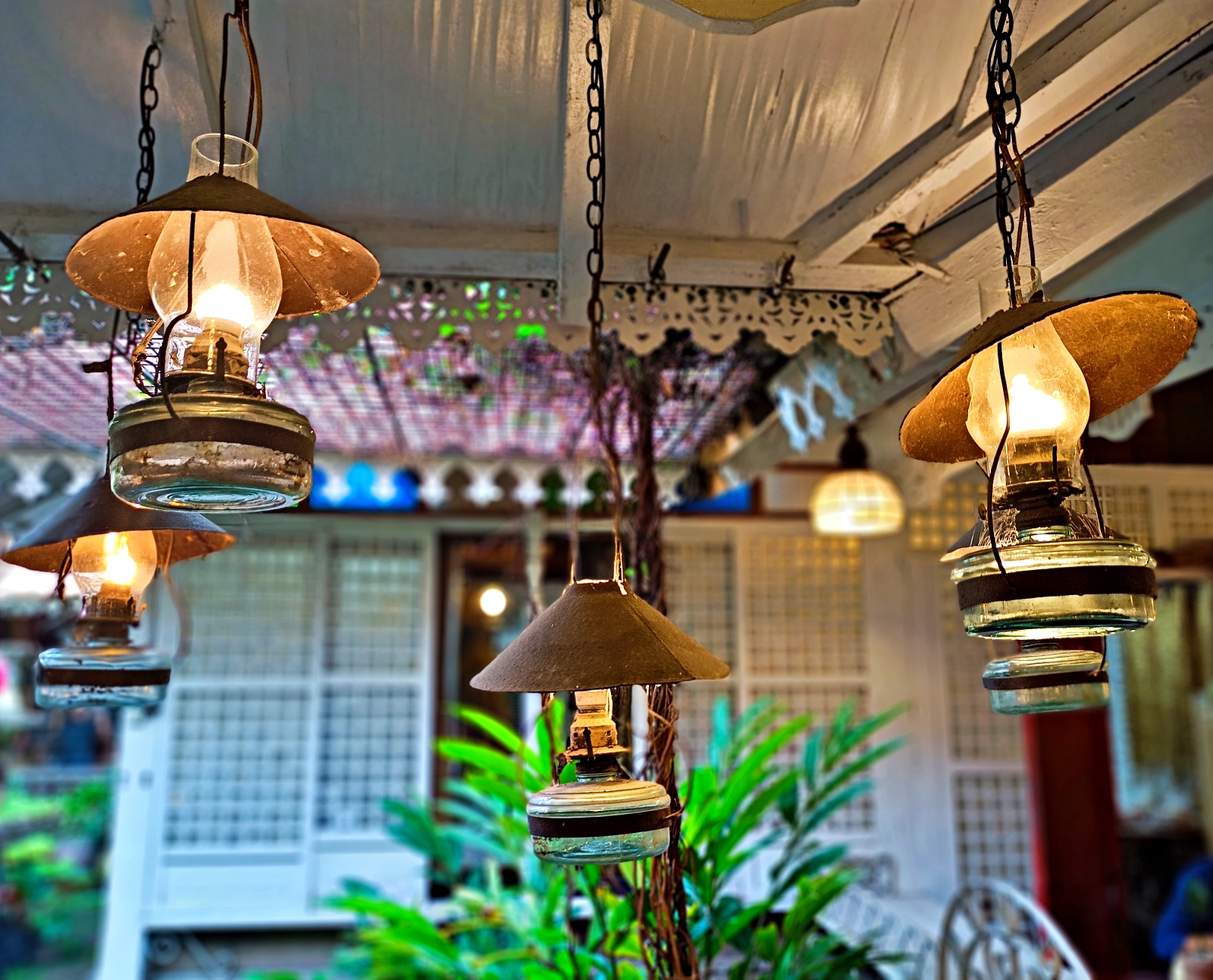
Vicentico’s, which was named after the patriarch of the family that owned the restaurant, Engineer Jose Vicente Salazar Jr., was once an abandoned house. In light of its location in the bustling part of Cabanatuan City and just across Freedom Park, the Salazar family renovated it "bit by bit, piece by piece" so that it not only looked like a home, but also served as a place where diners could eat together as if they were in the comforts of their own hapag kainans.

Fashioned out from the traditional "bahay na bato" (stone house) prevalent in the nineteenth century, the restaurant provided charming and photogenic corners where the mostly old wooden furniture created an antiquated atmosphere made more pleasing by the smell of local cuisines being served.


Our #LakbayNorte hosts ordered us a feast of the "Putok Batok" platter, which consisted of sinful dishes of crispy pata, adobong alige, chicharon bulaklak, and lechon kawali to go along with their famous deconstructed kare-kare and a few appetizers. For our dessert, we were each given a pint of Puno's Ice Cream and Sherbet, a local ice cream maker in Nueva Ecija.
As I savored every spoonful of my macapuno-flavored Puno’s Ice Cream, a slideshow of images of bygone years flashed before my mind. The huge wooden table, the Capiz windows, the cold stone floors of my mother’s ancestral home in Bulacan (which had since been demolished and replaced by commercial stores) came back to life as the chatter of other diners sounded like conversations from my childhood—of happier times when my Lola, Auntie Carol, and other elderly relatives were still alive, and our brood of cousins were still kids all waiting to be called to gather around the hapag kainan.
The joy of eating at Hapag Vicentico's went beyond delicious food. It was also about reliving the bliss of familial get-togethers around a hapag kainan.

Restaurant Fact Box
Must-Try Dishes
- ⭐ Deconstructed Kare-Kare
- ⭐ Putok Batok Platter
- ⭐ Crispy Pata
- ⭐ Adobong Alige
- ⭐ Chicharon Bulaklak
- ⭐ Lechon Kawali
- ⭐ Adobo Rice
- ⭐ Crispy Hito
- ⭐ Gising-Gising
- ⭐ Buko with Caramel Shake
- ⭐ Puno's Ice Cream and Sherbet (Macapuno / Local flavors)
Nearest Attractions
Nomadic Experiences Take
The true allure of Hapag Vicentico's extends far past its rich, savory platters. It succeeds because it reclaims a sacred domestic space that fast-paced modern life often leaves behind—the traditional family hapag kainan. Dining amidst the century-old columns and filtering Capiz windows allows you to taste nostalgia, offering a poignant reminder that the finest meals are defined by the people we gather with and the memories we bring back to life.


