
After getting a glimpse of the province last year when I visited Ticao Island for a couple of days, I immediately regarded Masbate as vastly underrated despite its central geographical location as a gateway to Luzon and the Visayas. That brief tryst had me making a vow to return soon. As good fortune would have it, I was able to go back recently for a more extensive journey that took me to the mainland of Masbate, Burias Island, and Ticao once again.
Island Hopping and Seafood Feasting Our Way Through Masbate
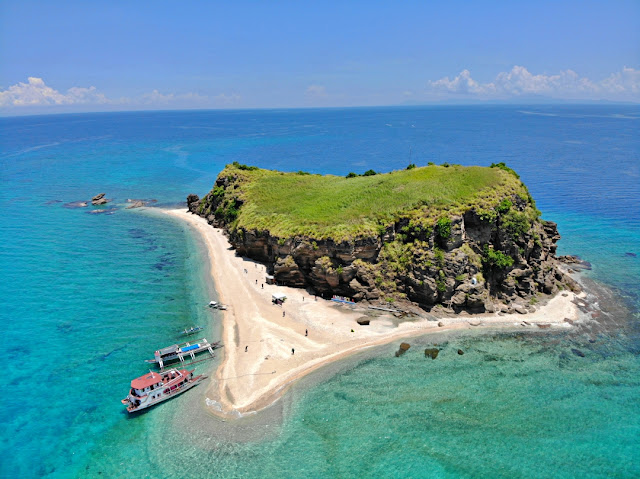
Over the course of eleven days, we traversed this province known for its rodeo tradition and discovered its many other gems. Beautiful islands, picturesque countryside, expansive sandbars, charming small towns, and crystal-clear waters wowed us at every stop, while sumptuous local cuisine—a blend of fresh seafood and juicy livestock meat—delighted our taste buds.
Masbate Mainland
To emphasize Masbate’s connectivity to other islands, we arrived in and departed the province not by plane, but by ferry and passenger boat. Following a brief journalistic coverage of the Capiztahan event in Roxas City, we sailed from Culasi Port in Roxas to reach Balud, Masbate, in three hours.
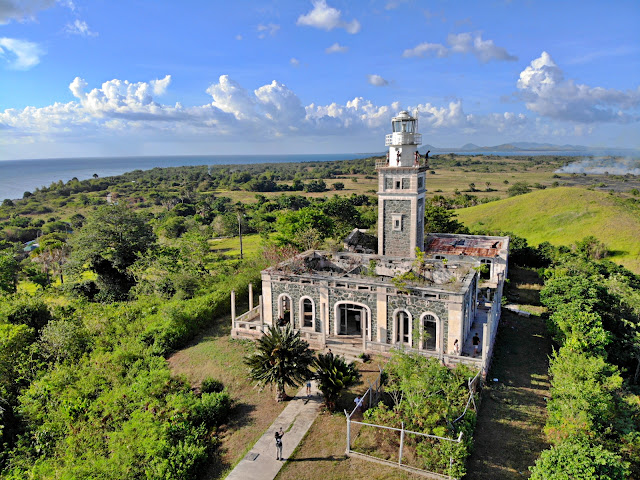
Named after the almost extinct pink-bellied imperial pigeon, Balud is located on the southwestern tip of Masbate. One of its two barangays, a small island called Jintotolo, became our first stop.
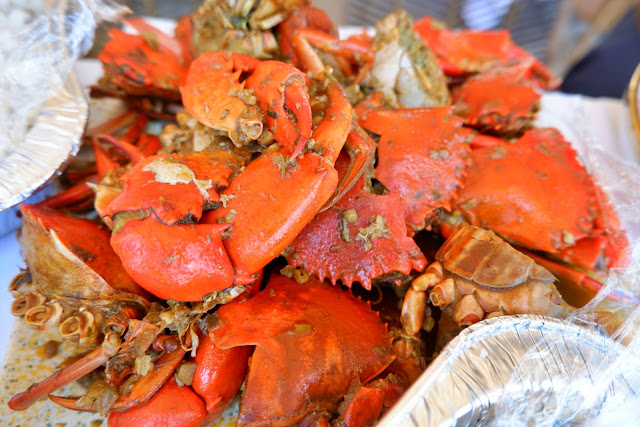
A tiny community celebrating the town’s fiesta welcomed us with a simple feast. This was followed by a short hike to the Jintotolo Lighthouse, which was built in the 1890s.
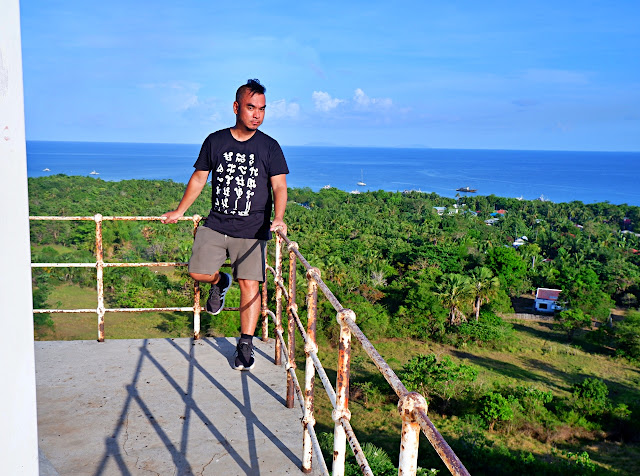
The lighthouse, one of the Philippines' twenty-three remaining Spanish-era sea watchtowers, stands at about fifty feet tall atop a hill and overlooks a beautiful channel where the wrecks of two Japanese ships from World War II—the cruiser Kinu and the destroyer Uranami—rest at the bottom.
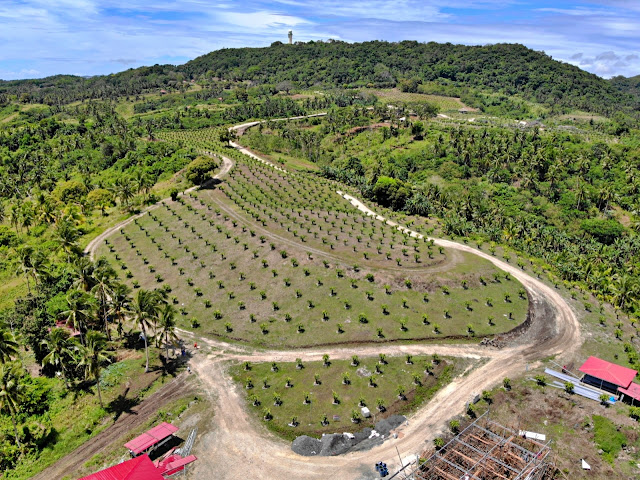
The next day found us driving through Masbate's picturesque countryside, past vast cattle ranches and farms, before stopping briefly at Lumawig River Adventure Park for a floating lunch through a mangrove forest.
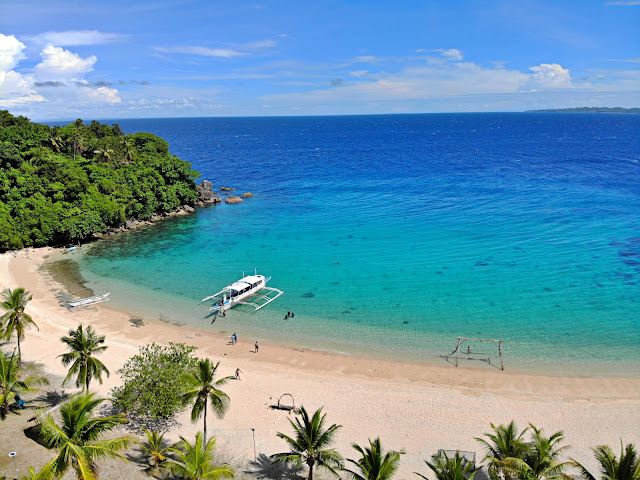
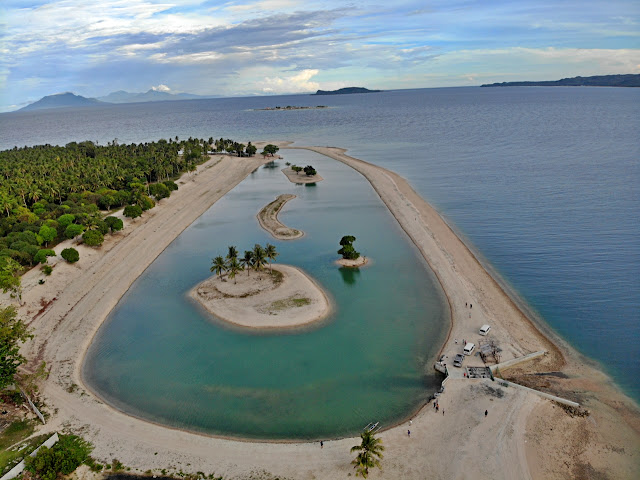
The rest of our mainland Masbate jaunt had us visiting a farmstead, a hillside retreat, and a bevy of breathtaking natural wonders. These include the crescent-shaped Guinlobngan Island off the coastal town of Cawayan; Isla Florencia, which, with its coconut tree-lined canopy, was ideal for an island lunch; the 2.8-kilometer Kurokabayo sandbar; a spellbinding man-made lagoon in Matayum; a long white-sand beach in Aroroy; the heritage Balay ni Bayot house; and Balangingi Island in Pio V. Corpuz on the eastern part of Masbate.
Ticao Island
My second time on Ticao Island worked like a charm. This time, I was able to explore one of the island's quaint communities on foot before we drove off via a gorgeous route bookended by a magical sunset on one end and the azure ocean on the other.
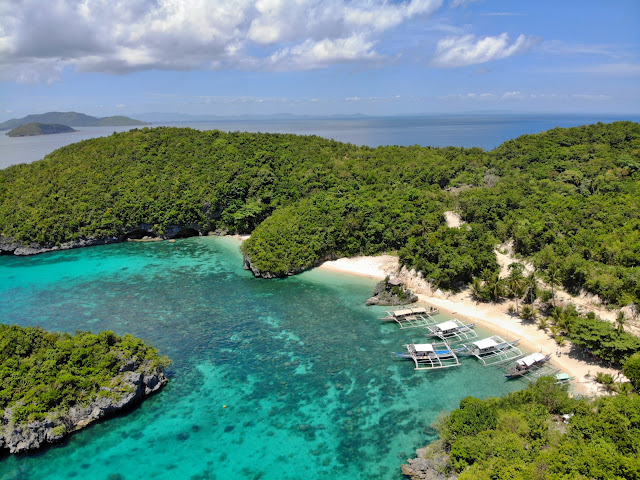
I also got to revisit Halea Nature Park and Catandayagan Falls, two of the Philippines' most impressive natural attractions.
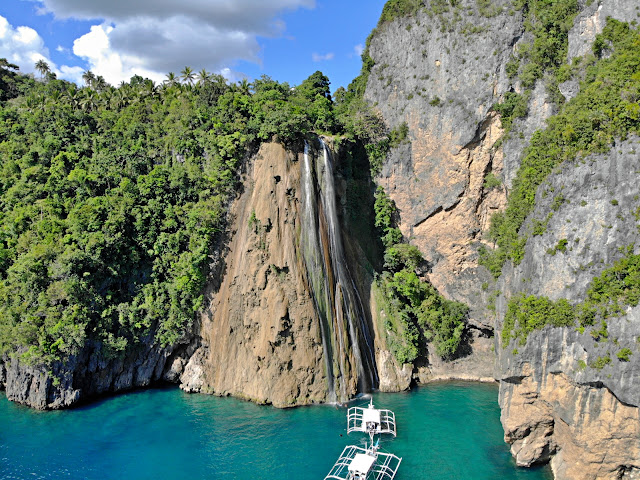
Halea is located on San Miguel Island, one of two islands on the northern tip of Ticao. Here, one can enjoy a peaceful beach-bumming moment, as well as go snorkeling and swim with dozens of baby sharks that frequent the cove. Ticao Island is also home to a rare waterfall; the one-hundred-foot-plus Catandayagan Falls is one of only around forty waterfalls in the world that directly debouches into the ocean.
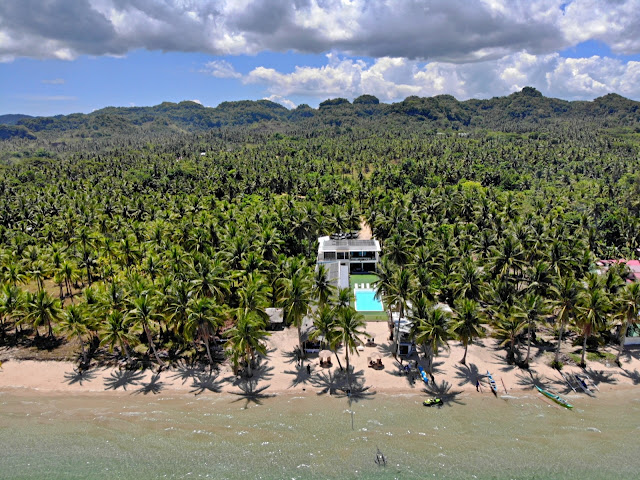
This trip also introduced me to the island’s other attractions that I missed out on during my earlier visit. There’s the 244.72-hectare Bongsanglay Natural Park, which is home to a dense mangrove forest including three rare Sonneratia tree species that give it a distinct status, as well as a maze of marshes.
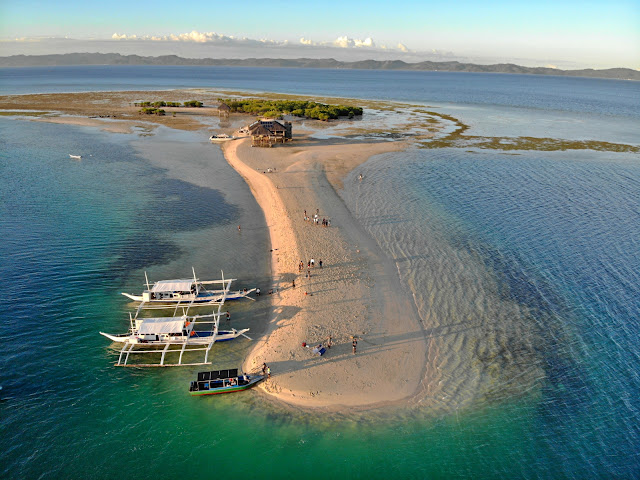
Our last day on Ticao Island was capped by a stopover at the Buntod Reef Marine Sanctuary sandbar on our way back to the Masbate mainland. This marine sanctuary is managed by SAMAPUSI (Samahan ng Mangingisda ng Puro-Sinalikway), an organization made up primarily of former 'blast fishermen' now turned 'reef rangers.'
As the sun slowly set on the horizon and the sky burst with a reddish glow, I was reminded of how beautiful the world is—specifically this part of the planet—as excitement surged through me at the prospect of the beauty that loomed in our next island destination: Burias Island.
Burias Island
A sleeper ferry transported us at midnight from the Masbate mainland to a waking sunrise on Burias Island. This final phase of our eleven-day trip to Masbate solidified my opinion of the province as having the most potential to become a major tourism draw in the Philippines.

After a hearty breakfast, we hit the ground running by hopping into a double-decker boat and proceeding with our island-hopping tour, visiting Burias’ three popular islands of Animasola, Tinalisayan, and Sombrero.
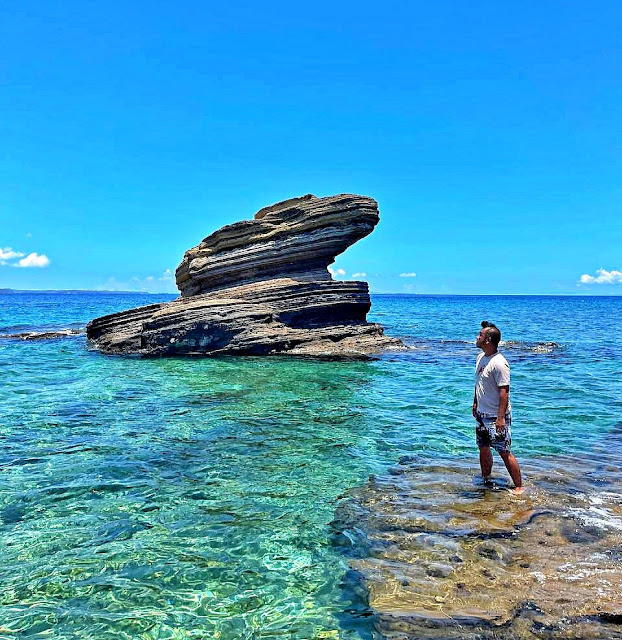
The secluded Animasola Island off the coast of San Pascual on Burias Island is a sight of pristine beauty, despite its haunting name, 'Animasola,' which in Catholic tradition portrays a 'lonely soul' trapped in purgatory. Thanks to its jagged cliffs, powdery white sand, and brilliant blue waters, it transports travelers to a paradisiacal time and place.

Next up was Tinalisayan. After flying my drone for ten minutes, I quickly packed it up to take a dip in the island's turquoise waters to enjoy another magical moment in the sun. I would have stayed in the water longer to get more sun-tanned if not for the call of a sumptuous boodle feast awaiting us on our boat.
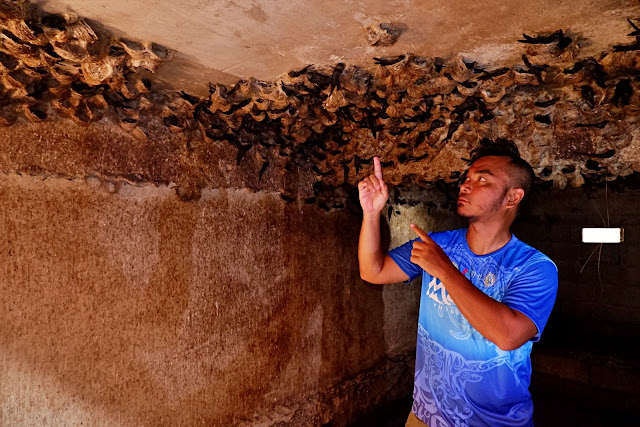
On our way to Sombrero Island, we passed by other islands such as Virgin Island and the fascinating rocky islet called Templo Island, which has a crucifix perched on top of its rock-strewn base.
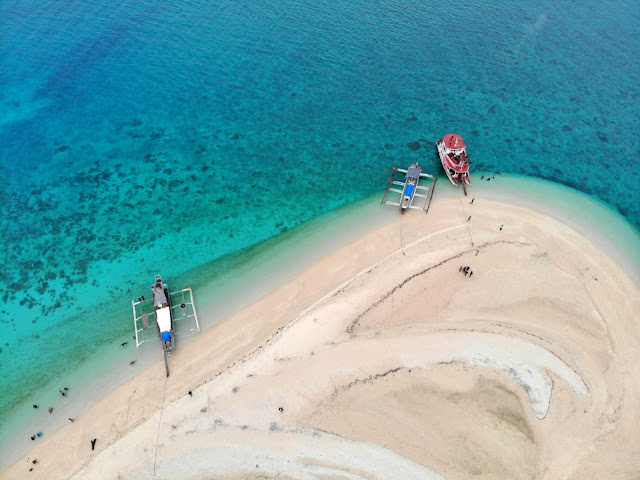
Sombrero Island was the perfect capstone to yet another fantastic day. It is named as such because of the odd shape of the island's islet tip, which resembles a sombrero. Sombrero Island is characterized by an expansive sandbar marking its perimeter, leading to a main island lush with greenery and home to a few small resorts, with its notable hat-shaped rock formation sitting at the tip.
Definitely, not my last Masbate Rodeo
As an agricultural hub, Masbate Province is dotted with ranches that are home to tens of thousands of cattle and horses. Masbate's rodeo culture developed in this environment. Most of us would be forgiven for assuming that Masbate's 'cowboy culture' was ripped from the American wild west playbook, but further research suggests that both Masbate's and America's rodeo culture can be traced back to the Mexican vaqueros.
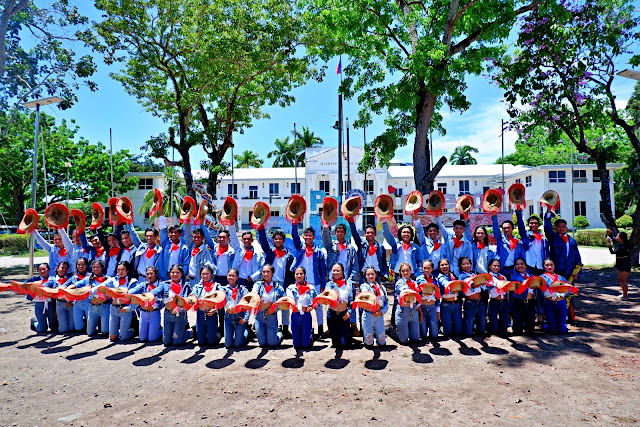
To celebrate the province’s rodeo tradition, the Rodeo Masbateño Festival is held every April to showcase the province's cattle and livestock industry, as well as some game horsemanship.

Masbate has more than simply its natural wonders, such as its stunning islands and picture-perfect scenery; it also boasts a rich culture and a culinary scene that will make you gain weight willingly. Who could say no to gigantic crabs, heavyweight fish, tiger prawns, and a heaping helping of scallops? Absolutely nobody. I think it is safe to say that this trip won’t be my last rodeo in Masbate.
This article originally appeared on BusinessMirror.


