
Every time a road trip plan is pitched, I always suggest heading to Zambales. What’s there not to like? Although it takes up to three to five hours to get there, the drive is done over smooth roads laden with bucolic scenery. Once you reach the first town of the province, you begin to smell the scent of the ocean. Driving through a series of quaint towns, you get to choose from a smorgasbord of charming seaside escapes.
A Memorable Surf and Glamp Experience in Zambales
From Pundaquit, Anawangin, and Nagsasa Coves in San Antonio; to Liwliwa in San Felipe; Zambawood in San Narciso; the islands of Magalawa, Capones, Potipot, and the other beaches in Botolan, Candelaria; and the rest of the coastline all the way to the province's edge, you can easily pick a spot and find a wonderful retreat from the city.

Liwaliw sa Liwliwa
Since Zambales is my go-to road trip destination, I’ve been to the province numerous times in the past. This time, however—upon the invitation of Department of Tourism Region 3—it was my first time spending a couple of nights in Sitio Liwliwa, a bustling bohemian community favored by beach bums, surfers, artists, yogis, and digital nomads due to its laid-back vibe and lengthy shoreline with waves fit for surfing.

Along with half a dozen other travel writers and content creators, we attended the launch of a new tourism program called the Surf and Glamp Adventure. The program promotes Zambales not only as a surfing destination but also as a location to enjoy a unique stay called glamping—a more luxurious form of traditional camping.
Staying at The Glamp
Part of the new tourism program is, of course, staying in a glamping facility. What better place than a new property known as The Glamp. A few moments after arriving, I could see that it was designed with families in mind. I can easily imagine a whole family or even a group of friends enjoying their stay here.

To keep the place intimate, the management opted to limit the glamping tents to only six. Large and medium-sized tents, each with enough room for four to six guests, are scattered around the sprawling, lawn-covered land.

Ours was the medium-sized one, which I shared with fellow travel writer Jon and video content creators JC and Ambo. Four mattresses fit conveniently inside our tent, which was high enough to stand in the center, with extra space for our belongings. Every tent has its own air-conditioning, an electrical outlet, and interior lighting.

A short opening program was also held here, where the DOT Region 3 Director delivered a speech highlighting the significance of bringing more visitors to Zambales so that they can discover more of the province's cuisine, culture, and abundant natural attractions.
Beach soccer, surfing and nightlife
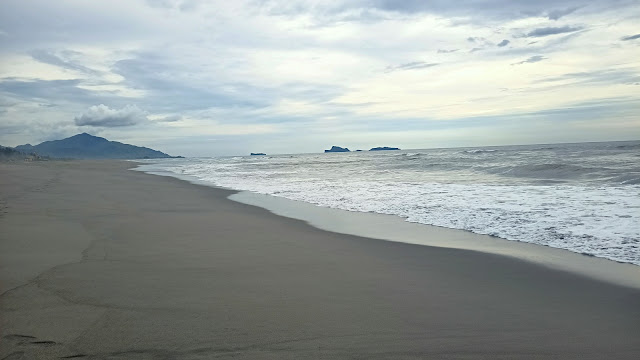
After settling in and resting for an hour inside our glamping tents, we proceeded on foot to the beach of Liwliwa, which is highly known as a surfing spot. Here, we feasted on satisfying bites of tacos from a seafront nook called Mexican Taqueria in between playing a game of beach soccer.

After the game, we tried our knees at balancing on surfboards under the supervision of the community surfer guides. Again, these activities in Liwliwa provide a great bonding moment for families and groups of friends.

Aside from surfing, beach soccer, and glamping, the beachfront neighborhood is also popular for yoga, meditation, and other holistic health pursuits. If you are a foodie, there’s no shortage of quirky cafes, taverns, and food places to choose from (which includes vegan options).

By nightfall, we went to another resort called Bali of Liwa. As the name suggests, the property offers Bali-style bungalows to guests and a large common area ideal for social gatherings.

Over plates of all-time favorite Filipino fares—from Sisig to Sinigang—and capping it off with a variety of cocktail drinks, we all lasted until almost midnight getting jiggy to the beat of the songs performed by a local band.
Carabao Ride, Swim and Boodle Fight at Lubong Nangoloan Falls
The next day saw us traveling to Lubong Nangoloan Falls, also in San Felipe, for more nature tripping. We parked the van on the side of the road and then hopped into a carriage drawn by a carabao.

Pitying the hardworking animal, we were told that the residents in the hilly region of Zambales rely heavily on carabaos as a mode of transportation—just as camels do in the desert of Jaisalmer, India. In order to supplement the income of the local owners of the carabaos, the provincial tourism office incorporated their services into the waterfalls tour.

We piled into the carabao carts in groups of two, set out across the lush fields, and rode for about 500 meters before arriving at the waterfalls.
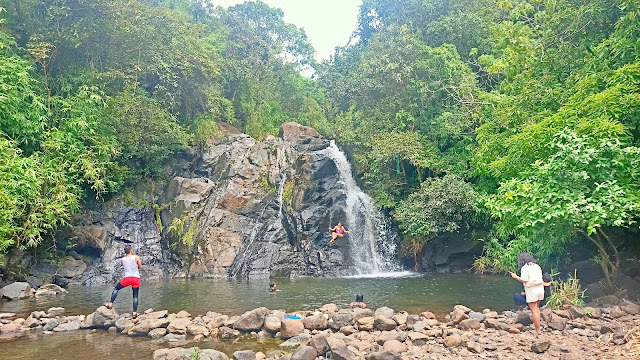
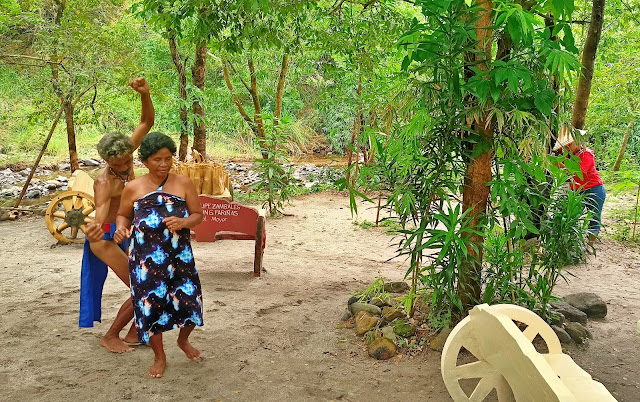
We were welcomed by the LGU of San Felipe, who shared with us their plans to promote the waterfalls as an added attraction in the province. A cultural dance performed by an elderly couple followed. Afterward, I couldn't resist the waters of the multi-tiered Lubong Nangoloan Falls and immediately took a refreshing dip.
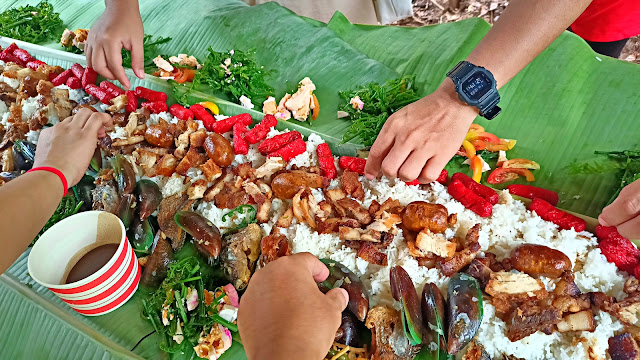
We were probably in the water for an hour before we got out and went into a nipa cottage where a spread of various viands, starring the San Felipe longanisa, had us feasting over a boodle-fight.
Shaping a Passion at Mia Casal’s Clay Avenue
Clay Avenue is a passion project of Mia Casal, who initially fell in love with pottery as a hobby before realizing how it became a medium for her to relax her mind and spirit. After returning to her roots in San Narciso, Zambales almost a decade ago, she set up her pottery studio, finding inspiration from "stargazing and listening to the waves".
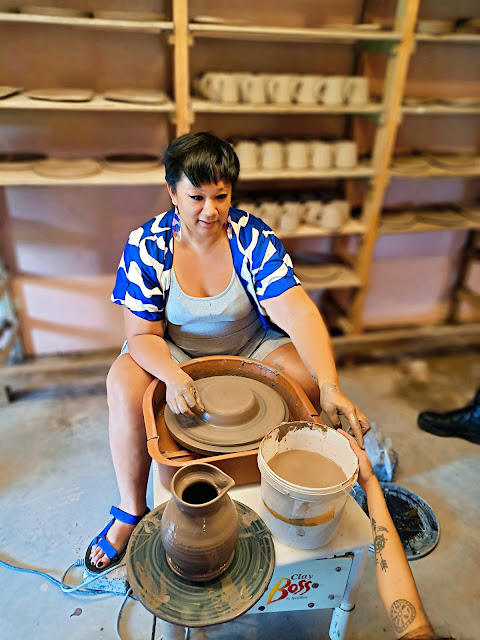
Harnessing the positive energy from shaping vessels from clay and ceramic materials, Casal later expanded into a small business by training local potters. Her Clay Avenue pottery studio, which is nestled along an idyllic riverbank amidst lush vegetation, now produces dinnerware, tumblers, pitchers, and vases with only three potter's wheels.
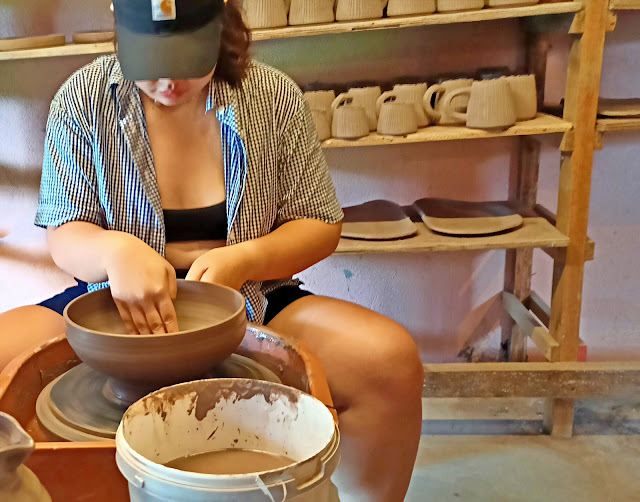
She informed us that once they complete all current orders, they will resume holding pottery workshops in the summer, which will comprise a two-to-three-night pottery workshop during the day while hosting participants in their ancestral home in the center of town.

Kayaking and Mangrove Planting at Bancal River Adventure Park
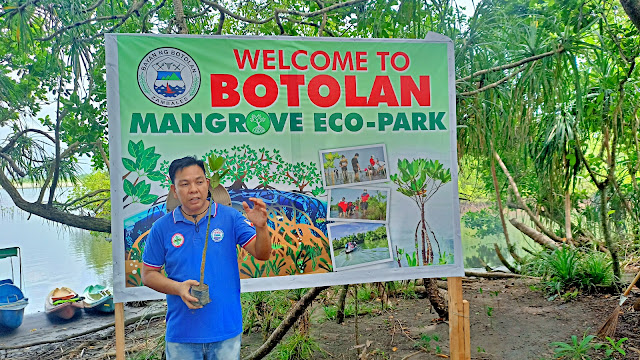
Capping off our fun #SurfGlampZambales trip was a scenic kayak ride down the placid waters of the Bancal River. A one-kilometer ride took us to the swampy but flourishing Botolan Mangrove Eco-Park, where we each planted a tree.
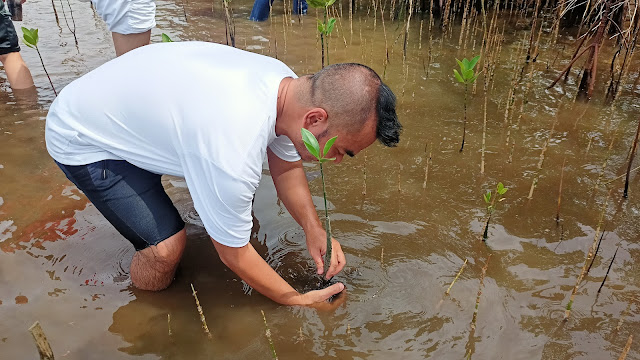
Once we were done rooting baby trees into the muddy soil, I went on another kayak excursion into the mangrove forest, where my guide showed me two mangrove trees that were likely more than a century old. I did a few laps around the area to have a better look before returning to our resting place.

After paddling for a kilometer going to the mangrove forest and another one coming back, I was completely famished when I alighted from my yellow-colored kayak. Fortunately, a buffet of Filipino dishes awaited us at the restaurant located near the docking area.
Rounding off our three-day trip in Zambales was a visit to Pawicare in San Narciso. A Pawikan Protection and Conservation Program Center, it aims to protect sea turtles known to lay eggs along the four-kilometer coastline in La Paz, San Narciso.
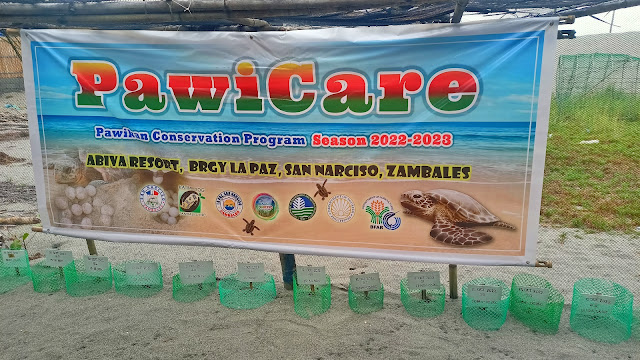
We met the town's Mayor, La Rainne Abad-Sarmiento, who shared with us information about the volunteer rangers who protect the pawikans when they lay eggs on the beach. Typically, the Pawikan season starts in August and culminates in the hatching period between November and January.
We couldn’t leave for Manila without learning a thing or two about Zambales' history and culture. On our drive back, we stopped by the Balin Pamana Botolan Heritage Center in Botolan. The museum displays some of the province's historic artifacts, along with an exhibit showcasing the Aeta Way of Life.
A Hangover of Amazing Memories
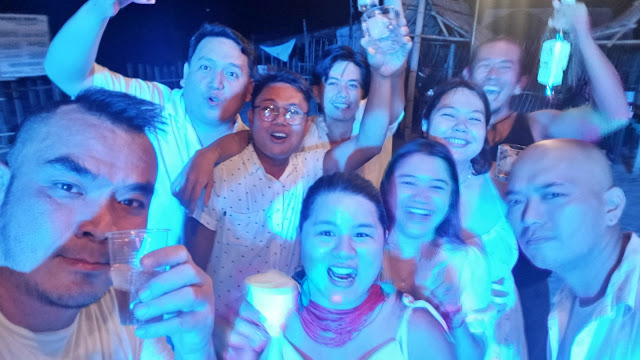
Despite the terrible hangover I had the morning after our last night’s party at our second home in Haven Campsite, I brought home with me another amazing set of wonderful memories set in the province of Zambales. To experience it with old and new friends alike makes it more remarkable.
I guess next time someone brings up the idea of a road trip, you know for sure what my suggestion will be: Zambales, it is.


