
We rarely came across companies that put advocacy and employee empowerment at the center of their corporate mission, but Glorious Industrial and Development Corporation—GIDC, the Stevia Company—was setting the model. As the first stevia grower and manufacturer in the Philippines, GIDC harvested and marketed Sweet and Fit Stevia, the foremost stevia herbal dietary supplement registered by the Food and Drug Administration in the Philippines, as its main weapon in leading the charge against diabetes. Grown and harvested in the Philippines exclusively by GIDC, Sweet and Fit Stevia was free of calories, cholesterol, carbohydrates, and had zero glycemic index.
Philippines’ 1st Stevia Grower Empowers Farmers and Advocates for Diabetes Awareness

When asked about how important Stevia was as the main component to their products, Maura De Leon, the woman behind GIDC, said, “Stevia has been touted as a safe and healthy sugar substitute with proven health benefits. It can sweeten foods, and it has several health benefits, including decreased calorie intake, lower blood sugar levels, and less risk of cavities.”
Why Battle Diabetes
Aside from the fact that Filipinos were known to have a sweet tooth, we also lived by the credo of "rice is life". However, our sugary cravings combined with our love for eating rice also increased our risk of developing diabetes—to the point that it had become one of the leading causes of deaths in the Philippines.

According to a recent study released by the World Health Organization (WHO), there were more than four hundred twenty-two million diabetics worldwide, most of whom resided in low- to middle-income countries, and diabetes was responsible for one point five million deaths each year. What was more troubling to learn was that the number of cases and prevalence of diabetes had steadily increased over the past few decades.

Philippine Statistics Authority data showed an annual increase of seven point eight percent in diabetes cases among Filipinos in 2020. If this worrisome trend continued, more Filipinos would suffer from the disease.

In today's market, Stevia became increasingly popular as a sugar substitute as consumers sought healthier options. “Stevia can replace sugar used in baking, beverages, cooking, and almost anything, a natural alternative that can significantly cut sugar in one’s diet,” shared Michelle De Leon, GIDC Head of Operations.

Unbeknownst to most, Stevia was already an active ingredient in more than five thousand food and beverage products around the world. It was only a matter of time before consumers fully embraced the consumption of this healthy and natural sweetener. How to make it possible in the immediate future? Plant and grow more Stevia. And that was what GIDC was doing right then.
Cultivating a Land for Stevia Farming in Bulacan
The GIDC journey began with their Sweet and Fit farm in Bocaue, Bulacan in 2004. They first started by setting up a two-hectare demonstration farm where they studied agricultural components and technical aspects of planting and harvesting the Stevia plant. It was a learning process that lasted several years until they mastered every bit of the plant’s agronomic cycle.

Sweet and Fit Farm maintained several stevia plantations in different locations around Bulacan, as well as offering stevia-containing products including no-sugar-added coffee and chocolate mixes. The company recently added zero-sugar iced tea mixes to major supermarkets and grocery stores, so consumers could then enjoy low-calorie mixes and beverages sweetened with natural ingredients. GIDC also offered tolling services, where customers or brands could explore having their own Stevia-based natural products.
Empowering Stevia Farmers
While touring Sweet and Fit Farm, we were shown the living quarters of the farmers where many of them lived with their families. We learned that GIDC also supported the education of the farmers’ daughters by giving them scholarship grants.
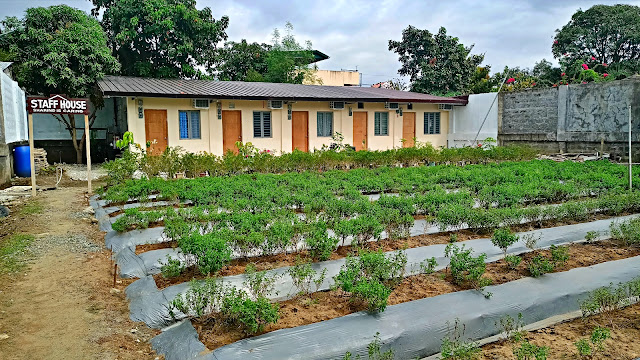
"Aside from providing a better working environment for our farmers, we also make sure that they are well taken care of in terms of their health needs by providing them with medical assistance," Michelle De Leon told us. "That is on top of the housing and scholarship for their children," she added.
Guilt-less Dessert Buffet
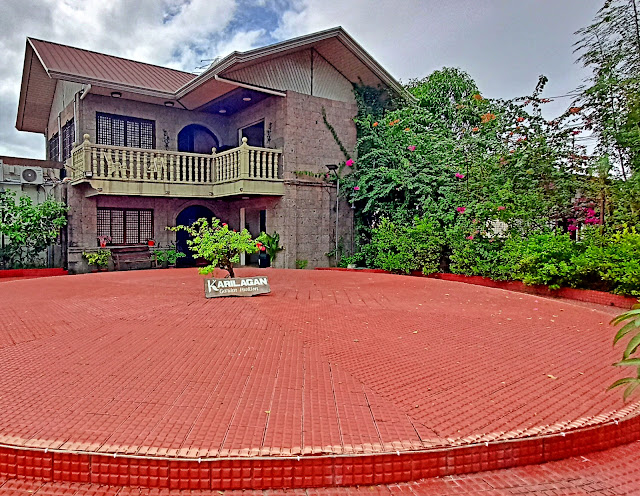
Following our brief tour of the farm, we ate lunch at the Karilagan Pavilion, which was also home to the Karilagan Stevia Cafe, which served the farm's own "Heritage Menu". It was a set of meals consisting of their version of some of Bulacan's best hapag kainan offerings such as Napapanahong Ensalada, Sinabawan na Karaligan, Gulay ng Karilagan, Adobong Sitaw, Tinumis, Ensaladang Talong, and more.
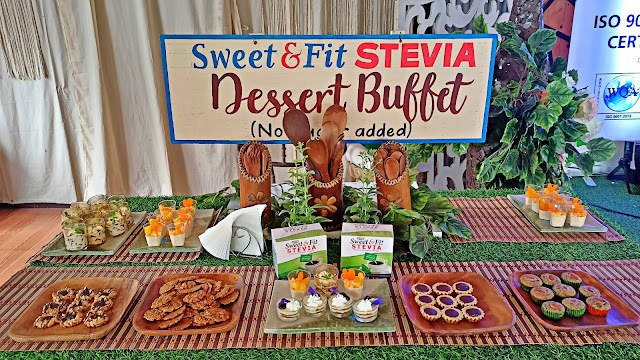
The café treated us to a guilt-less dessert buffet all naturally sweetened by Stevia. "We take pride in our offerings of zero-calorie desserts and sweet breads," said Rocky Espiridion, Karilagan Cafe's manager.

The Pavilion place of Sweet and Fit farm could also host receptions for weddings and other occasions. Guests could even stay overnight at the Bahay na Bato beside the café. Other activities on the farm included stevia leaves picking, factory tours, and even target shooting at the Delta Lions Shooting Range located inside the farm.
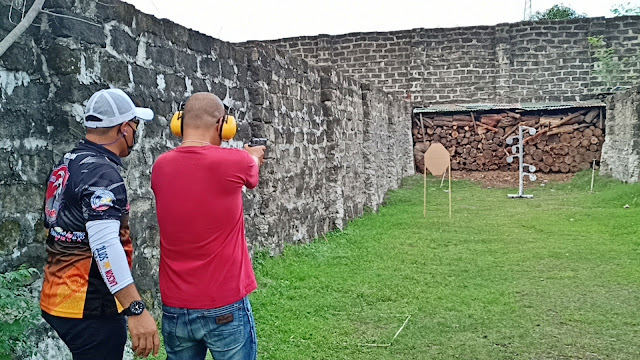
At the gun range, this writer attempted a Coco Martin’s Cardo Dalisay impression with the gun but found out that myself and guns didn’t get along. Instead, what I found after was that natural sweeteners like Stevia were a perfect complement to my lifestyle since I traveled a lot and sampled different food. It was imperative to be conscious of the risk of diabetes, and keeping a close look at my sugar intake was the first step toward fighting this sweet-induced disease—with the help of Stevia supplements, of course.

Summarizing GIDC’s vision, one would conclude that they not only encouraged healthy living through sustainable agriculture practices, they also wanted to send a message that it should be done with our farmers’ plight in mind.
“I highly encourage other entrepreneurs to also invest in agriculture. Why? Aside from the fact that there’s a growing demand for sustainable food, we are in an agricultural country and yet our farmers are the most neglected sector in our society. Let’s help them to improve the quality of their lives. My wish and prayer are to pass it on from generation to generation so that the Filipino farmers will be proud of who they are and what they do. Let us keep our Filipino pride alive by helping each other out. And hopefully, we will be able to grow local, go global.”
— Maura De Leon, GIDC President and CEO


