
A feast of a brunch consisting of mouth-watering Tausug and Sama delicacies on a floating cottage, followed by a beachfront banquet with curacha crabs and other fresh seafood catches, made for one memorable first day in Basilan. It went without saying that I expected our lunch the next day would be equally fulfilling—and it indeed was.
Lunch Situation at Bulingan Falls | Lamitan City, Basilan

However, before our monstrous appetite dealt with the lunch situation that day, we first needed to journey to a city that still carried a long-standing misconception—no thanks to the infamous events that dominated headlines more than twenty years ago: Lamitan City.

Up until several years ago, I was one of those who harbored safety apprehension about traveling to Basilan, particularly Lamitan City. Thankfully, I was exposed to a circle of travelers where a good number had visited Basilan (including my ex-girlfriend who went alone there in 2011). As I read and listened to their accounts, it became clear that Basilan as a whole was no different from other places in the Philippines.

As developments started happening in the early twenty-tens when the whole island became connected by a diversion road, local economies flourished, and the youths who were once a favorite target of insurgent groups' recruitment programs found other, better things to do, namely attend school or go to work.
Following that makeover, the rich culture of Basilan—upstaged by the headlines of government battles with terrorist groups—slowly emerged into the consciousness of us outsiders.
Traditions widely known and practiced in the province—such as Yakan weaving—soon became an object of fascination and interest among travelers. Other than that, nature sights like Malamawi Beach became a favorite among avid travelers. Among those great outdoor gems of Basilan was Bulingan Falls.

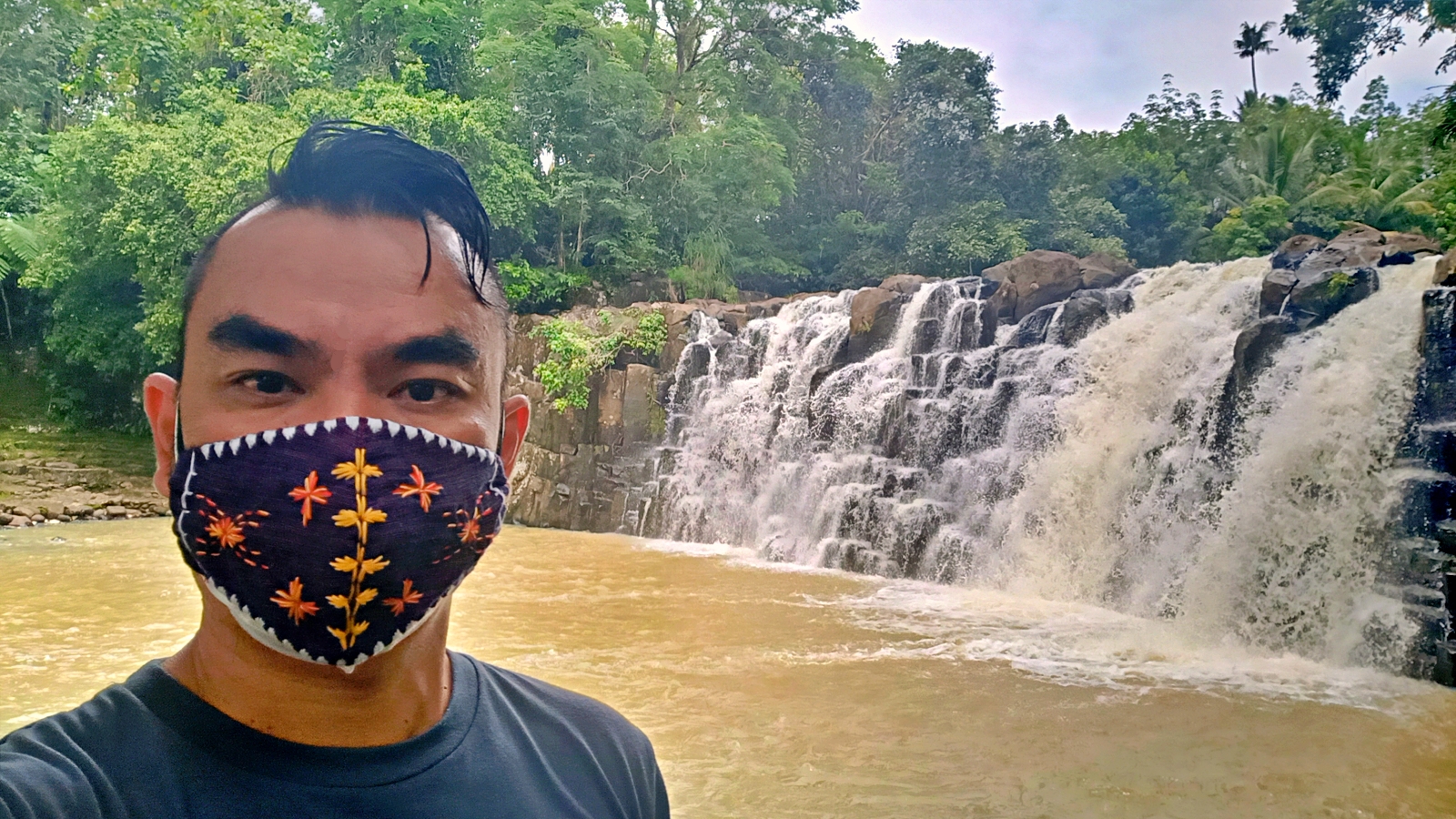
We arrived at Bulingan Falls the night after torrential rains lashed the forests of the province. Consequently, murky-colored water flowed through the wide cascade of the waterfall. The tour officer who was with our group was so apologetic because of that. She told us in Tagalog that, “If only it hadn't rained last night, the water would have been much clearer today.”

Murky waters it may have been, Bulingan Falls still appeared majestic enough for me to be captivated by it. Upon close scrutiny (aka me sitting on a slab or rock staring at the waterfalls and contemplating life), I noticed its magnificent nature-chiseled walls as if a sculpture meticulously shaped it. Its sculpted appearance reminded me of Pongour Waterfalls in Da Lat, Vietnam.

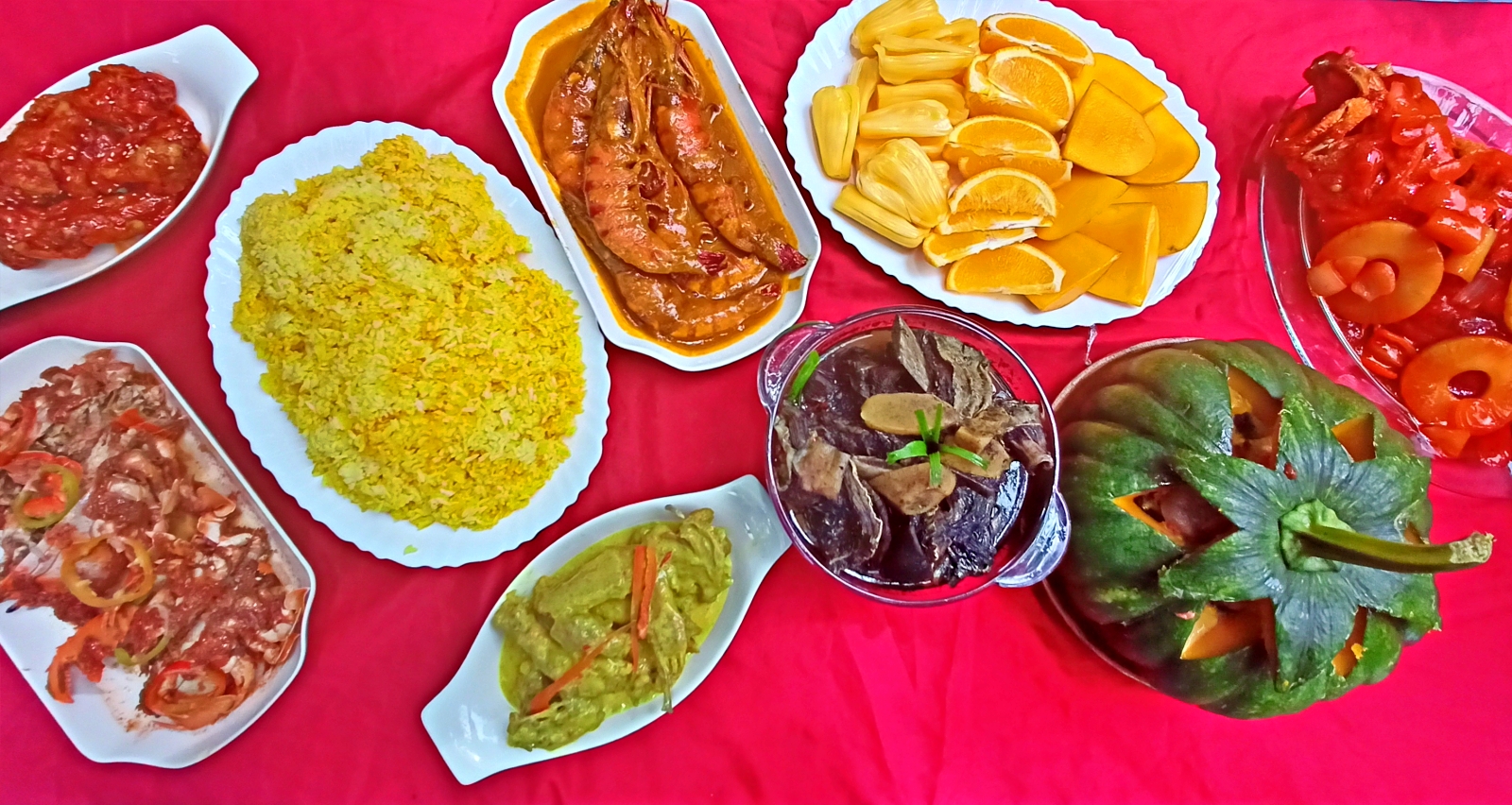
On a hot summer day, I would have opted to swim. On that day, though, I preferred to just ogle and listen to the sounds of the streaming waters of Bulingan Falls. That, and dealing with another delicious lunch situation that involved buttered large shrimps dipped in sweet and spicy sauce, fish in pineapple express—as I called it, Tiyulah Itum (braised meat in black soup), chicken curry, garlic fried giant crabs, and a savory dish of mashed vegetables with meat served inside a squash (Kalabasa).

Since we came there to explore the region’s Hilom (Wellness), Habi (Weaving), and Halal (Cuisine), I dealt with our lunch situation at Bulingan Falls by slowly savoring every bite while listening to the soundtrack of nature nearby. Lamitan City wasn’t bad after all—in fact, it was up there among the best provinces to explore in the Philippines.


