
The eleventh Regional Travel Fair, staged in Cebu, has effectively put to rest any doubts regarding the recovery of domestic tourism. Surpassing pre-pandemic baselines, the event signaled a robust resurgence across the travel sector. Spanning three days from July 21 to 23, 2023, at SM Seaside City Cebu, the roadshow brought together more than seventy exhibitors—including travel agencies, hospitality brands, and provincial tourism offices—generating a record one hundred ten million pesos in actual and negotiated sales.
The 11th Regional Travel Fair’s 110 Million Sales Signals that “Travel is back, alright”

This milestone represents a significant 32.7% increase compared to the eighty-three million pesos generated during the tenth edition of the travel fair held in Laguna in October 2022.
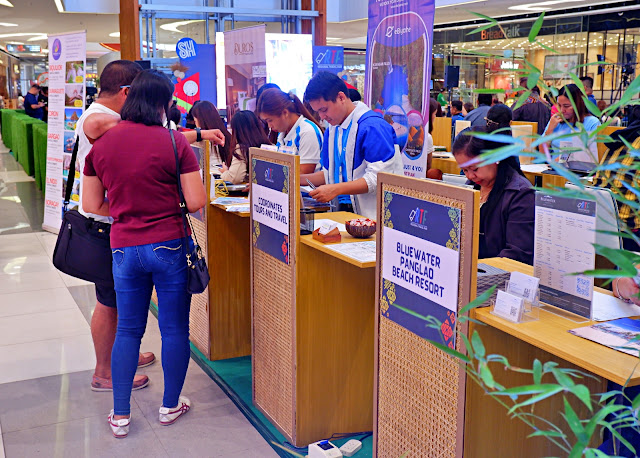
Organized by the Tourism Promotions Board (TPB) of the Philippines—the marketing branch of the Department of Tourism (DOT)—the fair served as a comprehensive one-stop destination for discounted domestic tour packages, airline tickets, and premium accommodations.

Marga Nograles, Chief Operating Officer of the TPB, welcomed the roadshow’s monumental success. “We are thrilled to witness the overwhelming response and enthusiasm from exhibitors and visitors during the Regional Travel Fair,” Nograles noted. “The outstanding sales leads signal a bright future for the tourism industry in the post-pandemic era and reaffirm travelers’ confidence in the safety of their journeys.”
Highlighting the Region’s Cultural and Tourism Sites
As one of the TPB's flagship programs, the travel fair is conducted across key sectors of the country, with previous installments staged in Sorsogon and Laguna. The exhibition rotates through strategic regional destinations, offering a collaborative platform for provincial tourism units and major stakeholders to showcase their respective historical and geographical highlights.

With Cebu hosting this milestone edition, the spotlight turned to Central Visayas' rich cultural heritage, highlighting the traditional handloom weaving practices of the hablon weavers of Argao and the banig weavers of Badian.

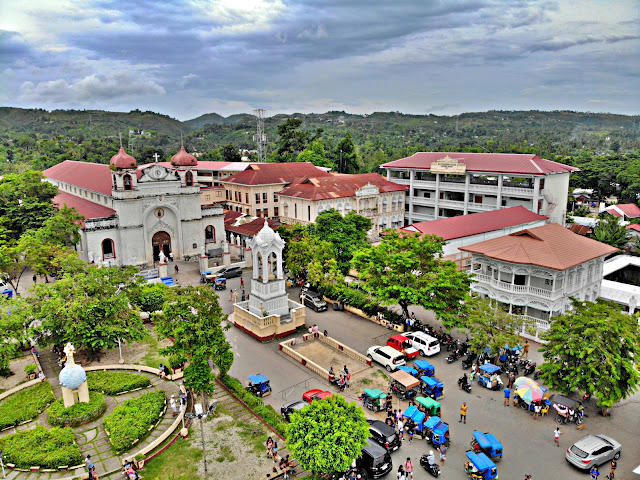
As part of the media delegation covering the fair, this writer joined the TPB team on an educational excursion to Argao, a picturesque coastal municipality celebrated for its four signature traditional crafts: tableya (pure cacao chocolate), torta (local spiced muffin), tuba (fermented coconut wine), and textile weaving (hablon). Upon arriving in the heritage core, we visited the women weavers at their production center located within the Cebu Technological University (CTU) campus.
Hablon is a type of handwoven cloth produced by women in the Visayas region, particularly on Panay Island and parts of Cebu. The term is derived from the Hiligaynon word habol, which translates directly as "to weave."

Traditional weaving in Argao, similar to other regional craft traditions, experienced a sharp structural decline over the past few decades. However, in 2013, the local government unit alongside the Department of Trade and Industry (DTI) initiated targeted integration programs to revive this master method of textile production. As part of these efforts, training facilities were established, including the specialized center operating within the Cebu Technological University. Today, the weavers of Argao are flourishing, distributing custom cloth to consumers worldwide and collaborating with globally renowned industrial designers like Kenneth Cobonpue to integrate traditional patterns into contemporary furniture collections.

Our caravan also made an immersive stop in the heritage town of Carcar to enjoy its legendary, freshly roasted lechon directly from the central market lines. We explored the Church of Saint Catherine of Alexandria, a magnificent nineteenth-century structural marvel that blends Revival Baroque and Neo-Mudéjar architectural elements with subtle Greco-Roman and Islamic details, before organizing side trips to the Temple of Leah and the Casa Gorordo Museum.

Over a three-day window, our team evaluated contemporary culinary spaces across Metro Cebu, highlighting Fili All-Day Dining inside the NUSTAR complex, CAVA—operating within an elegant 120-year-old estate—Bell + Amadeus, Seargao, The Pig and Palm, and CUR8.

The execution of the fair was made possible through the collaborative support of the Department of Tourism (DOT) Region VII, the Provincial Government of Cebu, and the Cebu City Government. The convention was supported by primary industry partners, including SM Seaside City Cebu, 2GO, Jpark Island Resort, Cebu Pacific, AirAsia, Philippine Airlines, NUSTAR Resort, Fili Hotel, CAVA, Bluewater Maribago, and Marco Polo Plaza Cebu.

The TPB anticipates expanding this momentum, welcoming an increased directory of buyers and suppliers to the next installment of the Regional Travel Fair in the Ilocos Region this coming October.


